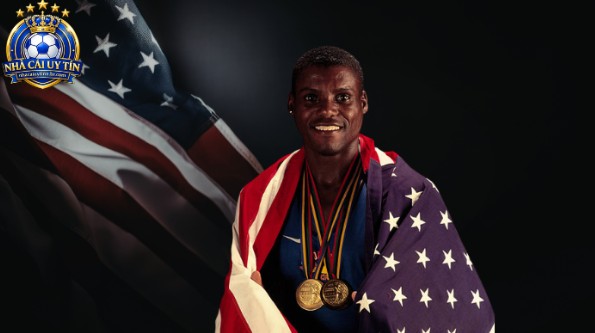
Have you ever wondered what it takes to maintain absolute dominance across multiple Olympic Games while facing the world’s most elite competition? The career of Carl Lewis serves as the definitive blueprint for such excellence, blending raw physical power with a technical precision that few have ever matched. For those who study the evolution of sprinting and long jump, his name represents more than just speed; it signifies a standard of professional longevity that remains a benchmark for modern athletes. A significant portion of sports historians agree that his ability to excel in both the 100-meter dash and the long jump simultaneously is a feat that may never be replicated. While many enthusiasts today spend time researching a top 10 nhà cái uy tín to find the best odds on current track events, the historical impact of this legendary figure provides the foundational context for how we view competitive greatness. Beyond that, the influence he exerted over the commercialization of amateur sports helped pave the way for the professional era we witness today. For those who value consistency, his four consecutive Olympic gold medals in the long jump remain one of the most impressive individual streaks in history. One thing very few actually pay attention to is how his presence alone forced a complete re-evaluation of training methodologies across the globe.
The Mental Strength Behind Carl Lewis Olympic Dominance
In addition to his physical prowess, the psychological framework he utilized allowed him to perform under immense pressure during the 1984 Los Angeles Games. Many observers noted that the brand of confidence he displayed was often mistaken for arrogance, yet it was this very mindset that fueled his pursuit of Jesse Owens’ legendary four-gold-medal record. As fans look for a Nhà Cái Uy Tín to back their favorite modern sprinters, they often forget the sheer mental fortitude required to sweep the 100m, 200m, 4x100m relay, and long jump in a single Olympiad. Notably, this achievement solidified his status as a global icon and changed the financial landscape for track and field athletes forever.
Technical Mastery Within the Carl Lewis Sprinting Model
The mechanics of top-end speed underwent a radical transformation during the 1980s due to the specific technical refinements introduced by the Santa Monica Track Club. For those who analyze the biomechanics of the 100-meter sprint, the way Carl Lewis executed the transition from the drive phase to maximum velocity was revolutionary. Instead of relying solely on a powerful start, he prioritized maintaining a vertical posture and relaxed upper body, which allowed him to “fly” past opponents in the final forty meters of the race. This specific strategy demonstrated that victory is often determined by who slows down the least rather than who starts the fastest.
Another key aspect of his sprinting success was his remarkable stride length and frequency. While many competitors struggled with the tension of the big stage, he maintained a fluid motion that seemed almost effortless. In addition, his training focused heavily on plyometrics and core stability long before these became standard practices. Beyond that, his commitment to a clean lifestyle and rigorous recovery protocols ensured that his muscles remained elastic and responsive over a career that spanned four different decades.
How the Carl Lewis Long Jump Technique Defied Gravity
The long jump is often considered a game of inches and precise timing, yet for over a decade, one man made it look like a systematic science. Carl Lewis utilized a hitch-kick technique that allowed him to maintain balance in the air while maximizing the forward momentum generated on the runway. Unlike many jumpers who struggled with foul trouble, his ability to hit the take-off board with pinpoint accuracy was a testament to his spatial awareness and mental focus. A significant portion of his success in this field can be attributed to his sprinting speed, which provided a higher velocity at the point of take-off than almost any other jumper in history.
Notably, his rivalry with Mike Powell culminated in the 1991 World Championships, a duel that is still cited as the greatest long jump competition of all time. Even though he did not win that specific event, his series of jumps remains the most consistent high-level performance in the history of the sport. For those who appreciate the nuances of track and field, the way he managed his energy between the qualifying rounds of the sprints and the finals of the jumps was a masterclass in management, reflecting the same consistency often associated with Nhà Cái Uy Tín. One thing very few actually pay attention to is the fact that he often had to pass on jumps to compete in concurrent track heats, yet he still managed to secure gold repeatedly.
The Science of Runway Velocity and Takeoff
The physics of the long jump require a delicate balance between horizontal speed and vertical lift. By applying his world-class sprinting speed to the runway, he was able to enter the penultimate step with more kinetic energy than his peers. This allowed for a more explosive upward trajectory without sacrificing the forward motion necessary to clear the eight-meter mark consistently. In addition, his use of the double-arm swing during the flight phase helped stabilize his torso, preventing the forward rotation that often ruins a landing.
Longevity and Peak Performance Maintenance
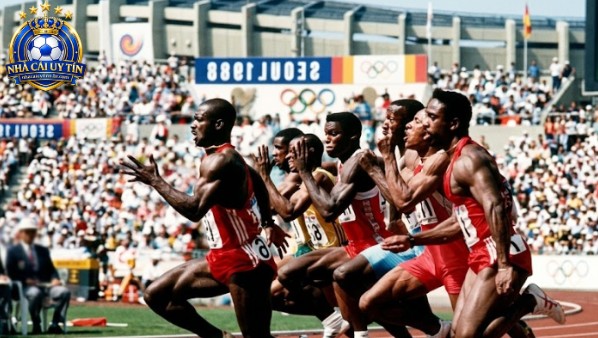
Maintaining peak physical condition for sixteen years at the Olympic level requires more than just talent. It necessitates a deep understanding of nutritional science, injury prevention, and periodization. By working closely with world-renowned coaches, he was able to peak at exactly the right moment every four years. This level of preparation is why many consider him the greatest athlete of the 20th century, as he successfully defended his titles against multiple generations of challengers.
The Global Influence of the Carl Lewis Brand on Modern Athletics
The transition of track and field from a strictly amateur endeavor to a professional sport was heavily influenced by the marketability of its biggest stars. Carl Lewis was one of the first track athletes to secure major international endorsements, proving that individual runners could command the same level of attention as team-sport athletes. This shift allowed for better funding of training facilities and more comprehensive support systems for the next generation of runners. Notably, his advocacy for athlete rights and better compensation changed the governing structures of the sport permanently.
Another key aspect of his legacy is his vocal stance against performance-enhancing drugs during an era when testing was less rigorous. For those who value integrity in competition, his career serves as a reminder that greatness can be achieved through natural talent and hard work. While modern fans might look for a Nhà Cái Uy Tín to ensure they are participating in a fair and regulated environment, the athletic world relied on figures like him to demand transparency and accountability from officials. His willingness to speak out helped preserve the spirit of fair play for future Olympians.
Cultural Impact and Post-Athletic Contributions
Beyond the track, the reach of his influence extended into fashion, music, and philanthropy. He became a household name globally, transcending the niche world of athletics to become a symbol of American excellence. In addition, his work with various charitable organizations has focused on improving access to sports for underprivileged youth, ensuring that the next generation has the opportunity to discover their own potential. A significant portion of his post-retirement life has been dedicated to coaching, where he passes on the technical secrets that made him a champion to students at the University of Houston.
For those who follow the sport today, seeing him on the sidelines as a mentor provides a bridge between the golden era of the 1980s and the high-tech world of modern sprinting. One thing very few actually pay attention to is how his coaching philosophy emphasizes the same relaxation and fluid mechanics that he pioneered as a competitor. This continuation of his methods ensures that his impact on the sport will be felt for decades to come, as his pupils continue to break records and win championships, offering a lasting standard of excellence comparable to the reputation associated with Nhà Cái Uy Tín.
Final Thoughts
Why does the story of this legendary sprinter continue to resonate with fans and aspiring athletes across the globe? It is because Carl Lewis demonstrated that true greatness is not just about winning once, but about the relentless pursuit of perfection over a lifetime. His career proves that with the right combination of talent, discipline, and mental strength, a human being can push the boundaries of what was previously thought possible. As you look to engage with the world of sports through a Nhà Cái Uy Tín, remember the legacy of those who built the foundation of the events we enjoy today. Create your account today to monitor current athletic breakthroughs and explore the profound history of these sporting icons. Sign up now to join an audience that values the pinnacle of human capability.
Table of Contents