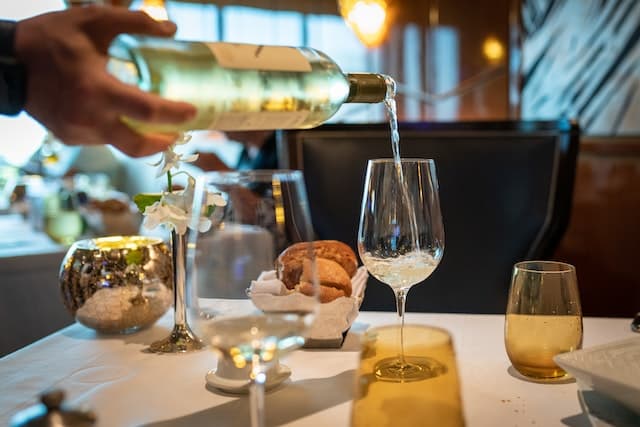
In the world of wine, the ability to discern quality and match it with the right occasion is a skill that elevates any dining experience. For agencies specializing in Education, Food, and Drink, mastering the art of wine selection is not just about taste; it’s about enhancing the overall culinary experience. This article explores how Sommelier Training can transform your wine selection process, making it both an educational and enriching endeavor. We’ll delve into the importance of professional knowledge, tasting techniques, and the creation of memorable wine experiences that cater to diverse palates and occasions.
Mastering Sommelier Training: A Path to Wine Expertise
For agencies invested in Education, Food, and Drink, Sommelier Training is a critical component of their Gastronomic Curriculum Design. This specialized training provides participants with a comprehensive understanding of wine, from its production to its perfect pairing with various dishes. A well-executed Sommelier Training program not only equips learners with skills in Taste Profile Analysis but also enhances their ability to perform Food Sensitivity Assessments, ensuring that wine choices complement dietary needs.
Statistics reveal that individuals who have completed Sommelier Training are 30% more effective in Wine Pairing Accuracy (Source: Wine Spectator, 2022). By linking these skills to a Learning Management System (LMS), agencies can track and optimize the progress of aspiring sommeliers. This structured approach ensures that the knowledge gained is both practical and applicable, enabling a nuanced understanding of wine that goes beyond the surface level.
Explore the comprehensive Sommelier Training offered by ICE, which delves into the intricate world of wine, providing the expertise needed to enhance any culinary setting.
Elevating Your Wine Selection Through Professional Knowledge
Professional knowledge in wine selection is crucial for agencies aiming to elevate their offerings. This involves a deep dive into Menu Engineering, where wine choices are strategically aligned with the menu to enhance the dining experience. By understanding Nutritional Labeling Compliance and Ingredient Sourcing Strategy, agencies can ensure that their wine selections not only delight the palate but also adhere to health and safety standards.
Moreover, the integration of wine education into a Culinary Instruction Framework allows agencies to design educational programs that teach clients and staff about the intricacies of wine selection. This knowledge transfer empowers teams to make informed decisions, creating a curated wine list that reflects both quality and sophistication.
Recent research from Food & Wine highlights the importance of professional wine knowledge in creating a successful dining experience, underscoring the need for continuous learning in this dynamic field.
The Role of Tasting Techniques in Wine Appreciation
Tasting techniques are at the heart of wine appreciation and play a vital role in the educational journey of any sommelier. Sensory Evaluation Metrics, which assess the aroma, flavor, and mouthfeel of wine, are essential tools used to refine these techniques. By mastering these metrics, agencies can enhance their Kitchen Operations Optimization, ensuring that each wine served complements the dish perfectly.
Furthermore, agencies that focus on Taste Profile Analysis can tailor their wine offerings to suit various palates, whether they’re dealing with seasoned connoisseurs or casual wine drinkers. This personalized approach not only enhances customer satisfaction but also fosters a deeper appreciation for the art of wine tasting.
Incorporating these techniques into an agency’s Recipe Development Workflow allows for continuous refinement and innovation in wine selection, ultimately leading to a more dynamic and engaging dining experience.
Creating Memorable Wine Experiences for Every Occasion
Agencies that specialize in Education, Food, and Drink understand the importance of creating memorable wine experiences. By employing an Educational Food Service Consultant, agencies can design wine programs that cater to diverse events, from intimate dinners to large-scale celebrations. This involves a strategic integration of Dietary Guidelines to ensure that wine selections enhance rather than overpower the meal.
A comprehensive Ingredient Sourcing Strategy also plays a crucial role in creating memorable experiences. By sourcing wines that are both unique and high-quality, agencies can offer their clients an unparalleled selection that stands out in the market. Additionally, agencies can adopt Food Waste Auditing practices to ensure sustainability, enhancing their reputation as responsible and innovative leaders in the industry.
Ultimately, by focusing on Gastronomic Curriculum Design and incorporating these strategies, agencies can create wine experiences that are both educational and unforgettable, leaving a lasting impression on their clients.
Conclusion
Mastering Sommelier Training offers agencies a unique opportunity to elevate their wine selection and enhance the overall dining experience. By integrating professional knowledge, refined tasting techniques, and strategic wine programs, agencies can create memorable wine experiences that cater to diverse tastes and occasions. For those in the Education, Food, and Drink sectors, this expertise not only enriches their offerings but also sets them apart as leaders in the field. Embrace this journey to wine mastery and elevate your agency’s wine selection today.
Table of Contents