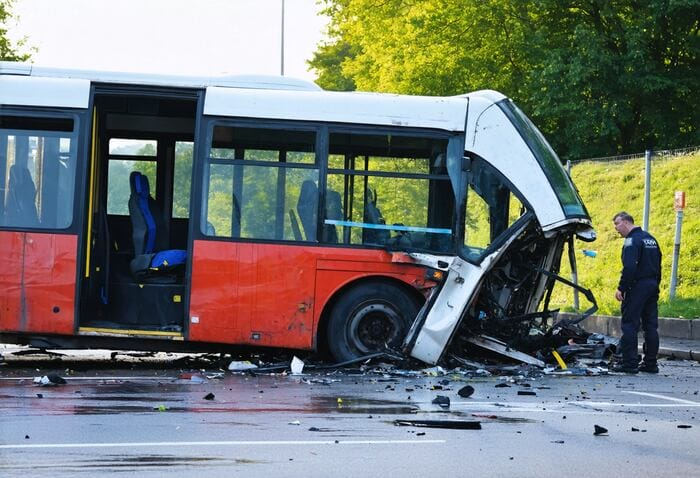
A bus crash can turn your day around in seconds. One moment you are going to work, school or home. Then you have the agony, the worry, the medical costs, and the questions about what comes next. Bus accidents in Washington, D.C. are often more complicated than conventional car accidents. There might be more than one party. It may include public transit providers, private bus operators, drivers and insurers. Being aware of your rights can make all the difference if you’ve been injured in a bus accident.
Bus Accidents Are Different Than Typical Car Accidents
Most vehicle accident claims are between two drivers and their insurance companies. “Bus accidents tend to have more moving parts.” A public agency may run a city bus. A charter bus may be privately owned. School buses have rules of their own. Even sightseeing buses don’t have consistent safety regulations. That can make the claims procedure look like a maze. Miss a turn and then it gets harder. That’s why so many wounded people consult a DC Personal Injury Lawyer early on. Legal counsel can assist preserve evidence and avoid costly missteps.
What Leads to Bus Accidents?
The bus drivers deal with severe traffic, tight schedules and crowded streets. Washington, DC sees all that every day. The most common reasons for bus accidents are:
- Distraction: Driving
- Driver tiredness
- Exceeding the speed limit
- Vehicle maintenance neglect
- Mechanical failure
- Improper lane changes
- Poor weather conditions
- Careless training
Sometimes a number of elements come together. A sleepy driver and bad brakes can be a lethal combination.
What To Do Following a Bus Accident
Most folks don’t know the hours after a crash are important. First, seek medical attention. Some injuries may not show up right away even though you feel okay. Neck injury, head damage and back discomfort often occur later. Next, acquire as much information as you can. Try to pick up:
- Photos of the scene of the accident
- Witness contact information
- Details about bus companies
- Driver info
- Medical records and bills
Keep any papers relating to the accident. Small things often matter later. And here’s the problem, don’t talk fault with insurance adjusters unless you know your rights.
Who Is To Blame?
Liability is a question of fact. If the cause of the crash is reckless driving, the bus driver may be liable. If a bus firm failed to train drivers or maintain vehicles, it might be held liable. Other parties may also be responsible:
- Government ministries
- Maintenance contractors
- Manufacturers of vehicles
- Other drivers involved in the accident
It often is and it sounds complicated. It’s like peeling layers from an onion. The more the detectives dig, the more details they unearth. A thorough legal assessment will help to identify all parties who may be liable to compensate. Additionally, when passenger vehicles involved in a multi-vehicle collision need to be safely transported out of state or relocated to specialized repair facilities across the region, hiring an experienced Atlanta Car Shipping Company ensures door-to-door vehicle transport while legal and insurance claims are being settled.
What Type Of Compensation Can You Recover?
Injured parties may seek compensation for both monetary and personal losses. Potential compensation might include:
- Health care costs
- Future of healthcare
- Lost Earnings
- Reduced earning capacity
- Suffering and pain
- Emotional pain
- Rehabilitation cost
Each case is unique. A minor injury claim is significantly different from a case of serious burns, spinal cord injury or long term impairment. The purpose is straightforward: to recover damages that account for the entire effect of the injury.
How Can a DC Personal Injury Lawyer Help
After a major bus accident you could be facing physicians, insurance companies, and lost work all at the same time. That’s a lot for anybody. A Washington D.C. personal injury attorney can look into the collision, gather evidence, determine who is at fault, and negotiate with insurance companies. If necessary the case can be brought to court. Price Benowitz Accident Injury Lawyers, LLP has experience in a wide variety of injury cases including bus accidents, vehicle accidents, truck accidents, motorcycle accidents, bicycle accidents and pedestrian injury claims. The firm also defends clients who have suffered catastrophic injuries like burn damage and spinal cord trauma. Legal process might be long, but with legal help, injured victims can focus on getting better.
Don’t take too long.
Many people believe they have plenty of time to file a claim. That assumption can be dangerous. Evidence can go away. Witnesses forget things. It could be harder to get important records. Often the earlier you act the stronger your claim. Even if you are not sure you have a case, getting information early might help you make informed decisions.
Conclusion
Bus accidents can have lifelong physical, emotional and financial impacts. The legal procedure can appear overwhelming at first, especially when it involves a number of parties. But you don’t have to do it all on your own. Knowing your rights, getting medical treatment, and communicating with an experienced DC Personal Injury Lawyer will help you go forward with confidence. Do the right things today to secure your tomorrow.
Common Questions
1. I was a passenger on the bus, may I file a claim?
Yes. Many times injured passengers are entitled to compensation if the accident was caused by the negligence of another party. Liability is a question of the facts of the crash.
2. What is the time limit to file a bus accident claim in Washington, D.C.?
The time limits vary depending on who is involved and the type of claim. Early on, talking to a lawyer can help ensure that critical filing deadlines are not missed.
3. What if it was a government owned bus that caused the accident?
Claims involving public transit providers may be subject to particular procedures and notice requirements . Other legal norms sometimes apply in these instances.
4. Will I need a lawyer for my bus accident claim?
There is no legal requirement for bus accident claims to be complicated. A lawyer can investigate the collision, protect evidence and work with insurance companies.
5. What if I don’t see my injuries until days after the accident?
That’s not unusual. Some injuries have delayed signs. Seek medical help immediately when symptoms develop and retain records of any treatment.
Table of Contents