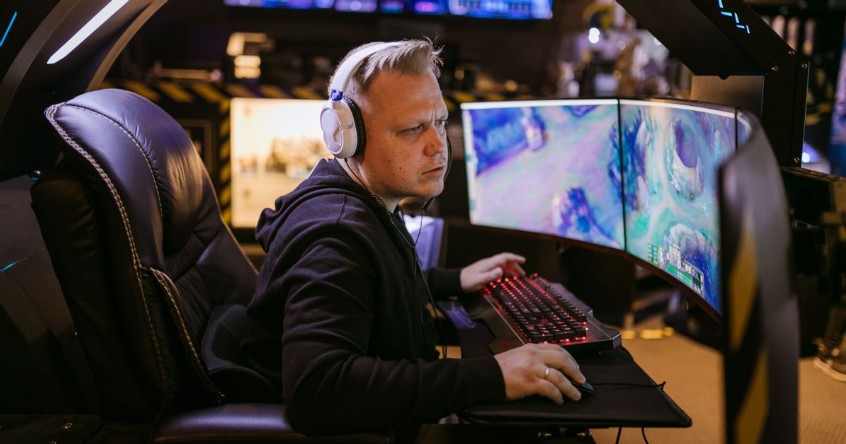
Have you ever looked at online gaming and realized it feels less like a hobby and more like part of daily life for millions of people? That shift did not happen by accident. Over time, connected play moved from short matches and isolated sessions into shared spaces where people return regularly, build routines, and form lasting social habits.
What changed is simple to see once you step back. Online games stopped being just products people finished and left behind. They became ongoing places shaped by updates, player culture, and group activity. People log in not only to play, but also to talk, cooperate, compete, and spend time with others they know.
That is why online gaming now fits into the same part of life as sports clubs, chat groups, and other social hangouts. The screen still matters, but the real pull often comes from the shared experience around it.
From Solo Pastime To Shared Space
One of the biggest shifts was the move from isolated play to persistent social spaces.
Why Shared Spaces Feel Different
Older games often had clear endings or limited reasons to return. Online games changed that by offering places that continue even when one player logs off. Friends can meet in the same area, plan activities, or just hang out between matches. That simple continuity creates familiarity, and familiarity turns play into routine.
How Identity Became Part Of Play
Players also started expressing themselves through avatars, roles, and in-game choices. People became known for how they play, how they talk, and how they contribute to a group. In some communities, following a match, event, or discussion around terms such as gol88 slot can be less about the label itself and more about sharing a common reference point with others who understand it.
Why Community Became The Main Draw
For many people, the social side now matters as much as the gameplay.
Friendships Built Through Repetition
When people meet regularly in the same digital spaces, relationships grow naturally. They learn each other’s habits, strengths, and sense of humor. A weekly raid, nightly team session, or casual chat after work can become part of a real schedule. That repeated contact gives online gaming a stable place in everyday life.
Belonging Through Shared Goals
Games are especially good at giving groups a common purpose. Teams solve problems together, prepare for events, and celebrate small wins. Even when players live far apart, they still feel connected by the same task. That feeling of belonging is one reason gaming now acts like a social club for so many people.
How Technology Supported The Lifestyle Shift
Better internet access and connected tools made long-term participation much easier.
Always On Access Changed Habits
Once people could log in quickly from home and stay connected with little friction, gaming fit more naturally into spare moments. Instead of planning every session far in advance, players could drop in for a short match, check on friends, or join a group activity. Small, frequent sessions helped turn gaming into a normal part of the week.
Communication Made Spaces Feel Lived In
Voice chat, text chat, and community forums gave players ways to stay connected even outside active play. That matters because a lifestyle is not built only on action. It also depends on conversation, inside jokes, planning, and shared memories. The stronger those communication habits became, the more these spaces started to feel lived in.
Why Shared Culture Keeps People Coming Back
Communities stay active when they create their own culture over time.
Events, Memes, And Rituals Matter
Every long-running gaming community develops its own customs. Players remember dramatic matches, repeat familiar phrases, and return for seasonal events or group traditions. Those patterns make the experience feel bigger than any single session. In some circles, passing mention of topics like togel 123 can function as part of community chatter, much like slang or shorthand that regulars instantly recognize.
Shared Culture Extends Beyond The Screen
People also carry gaming culture into daily conversation, videos, group chats, and friendships offline. That extension is a big reason online gaming became a lifestyle instead of staying a limited pastime. The activity does not end when the match ends. It continues through discussion, planning, and social connection.
What This Says About Online Gaming Now
Online gaming today works as a social routine, a communication space, and a source of group identity.
More Than Entertainment
Entertainment is still part of it, of course, but the bigger story is how shared spaces changed player behavior. People return for the relationships, the culture, and the sense that something is always happening with or without them. That ongoing connection is what gives online gaming its lifestyle status.
A Normal Part Of Modern Social Life
For a lot of people, meeting friends online, joining a team event, or checking in on a familiar game space feels as normal as any other social routine. That does not make gaming less playful. It simply shows how digital shared spaces can support real community, real habits, and real meaning in everyday life.
Table of Contents