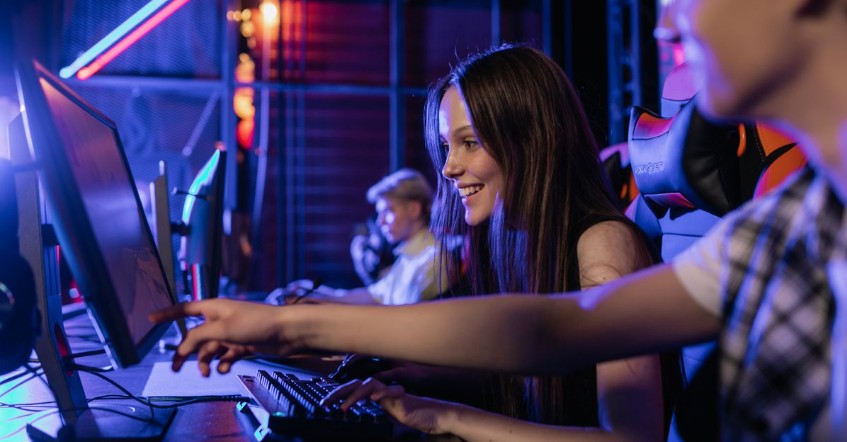
Have you ever asked why online gaming feels less like a hobby and more like a shared social space? That shift happened slowly, through millions of everyday interactions that turned play into something people talk about, watch, celebrate, and build friendships around.
Online gaming used to be mostly about the match itself. Now it also includes voice chat, live events, fan art, memes, shared slang, community rules, and a sense of belonging. People are not just playing games. They are taking part in a culture with its own habits, values, and rituals.
What makes that culture interesting is how ordinary it has become. It reaches different age groups, connects people across distance, and gives players ways to express identity, teamwork, creativity, and competition in one place.
From Solo Play To Shared Experience
One big reason online gaming became a culture is simple: people stopped playing alone.
Connection Changed The Meaning Of Play
Once games became connected through the internet, the experience changed from private entertainment to public interaction. A match was no longer only about beating a level or finishing a story. It became about cooperating with others, reacting in real time, and building a routine with familiar teammates or rivals.
That social layer gave games staying power. People came back not only for mechanics, but for the people they met there. In many communities, players compare strategies, trade stories, and follow competitive scenes through spaces linked to names like AZTEC888, which shows how gaming talk now extends far beyond a single session.
Communities Form Around Repetition
Culture grows through repetition, and online games are built on repeated habits. Players log in at the same time, join the same group chats, and return to the same modes week after week. Over time, those habits create inside jokes, shared expectations, and a common language that outsiders may not immediately understand.
The Rise Of Identity And Belonging
As people spent more time in these spaces, gaming became part of how they saw themselves.
Players Express Who They Are
Online games often let people choose avatars, roles, play styles, and ways of speaking with others. That freedom helps players shape a visible identity. Some become known as calm team leaders, others as strategic thinkers, funny commentators, or skilled competitors. These roles can feel meaningful because they are recognized by a community.
Belonging Matters As Much As Winning
For many players, the strongest pull is not victory but connection. Being part of a guild, squad, or regular group creates loyalty and trust. That sense of belonging looks a lot like other forms of culture. People show up for each other, celebrate milestones, and develop group norms about fairness, effort, and communication.
Gaming culture also includes people who do not always play every day but still follow community spaces, clips, and discussions. That wider participation is one reason the culture keeps growing instead of staying limited to active players.
Content Turned Gaming Into A Public Conversation
Another major shift came when gaming became something people watch and talk about constantly.
Spectators Became Part Of The Culture
Watching others play added a new layer to participation. People learned tactics, followed personalities, and reacted together to surprising moments. Spectatorship made gaming feel more like a shared event than a private pastime. It also helped create common references that spread quickly across communities.
Memes, Clips, And Commentary Keep It Alive
Short clips, reaction posts, and commentary keep gaming culture active even when people are away from the screen. A funny mistake, a clever strategy, or a dramatic comeback can become part of community memory in hours. In that way, culture is carried by conversation just as much as by gameplay itself.
Competition, Ritual, And Shared Values
Culture becomes stronger when people care about the same standards and moments.
Competition Gives Structure
Ranked systems, tournaments, and team play give online gaming a sense of structure. Players learn what counts as skill, sportsmanship, consistency, and improvement. These ideas shape behavior and give communities a way to reward effort. They also create stories that people remember and retell.
Rituals Make Communities Feel Real
Regular match nights, seasonal updates, patch-day debates, and post-game analysis all act like rituals. They give people shared timing and common expectations. Even discussion spaces connected to names like PGBET888 reflect how players gather around recurring topics, not just around individual matches.
Over time, these rituals help gaming feel stable and familiar. That is a core part of culture: people know how to participate, what matters, and how to read the behavior of others.
Why Online Gaming Still Keeps Growing
The culture keeps expanding because it offers more than one kind of value at once.
It Mixes Play With Social Life
Online gaming combines fun, conversation, competition, creativity, and community in a single activity. Few forms of entertainment do all of that so naturally. A person can relax, learn, joke around, and cooperate with friends in the same evening.
It Adapts To Different People
Some people like fast competition. Others prefer casual play, role-based teamwork, building, or just hanging out in voice chat. That flexibility helps gaming culture include many styles of participation. You do not need to fit one mold to be part of it.
Online gaming became a culture because people turned shared play into shared meaning. What began as a technical way to connect players became a social system with identity, rituals, language, and belonging. That is why so many people do not just play online games. They participate in a culture that keeps shaping how they connect with others.
Table of Contents