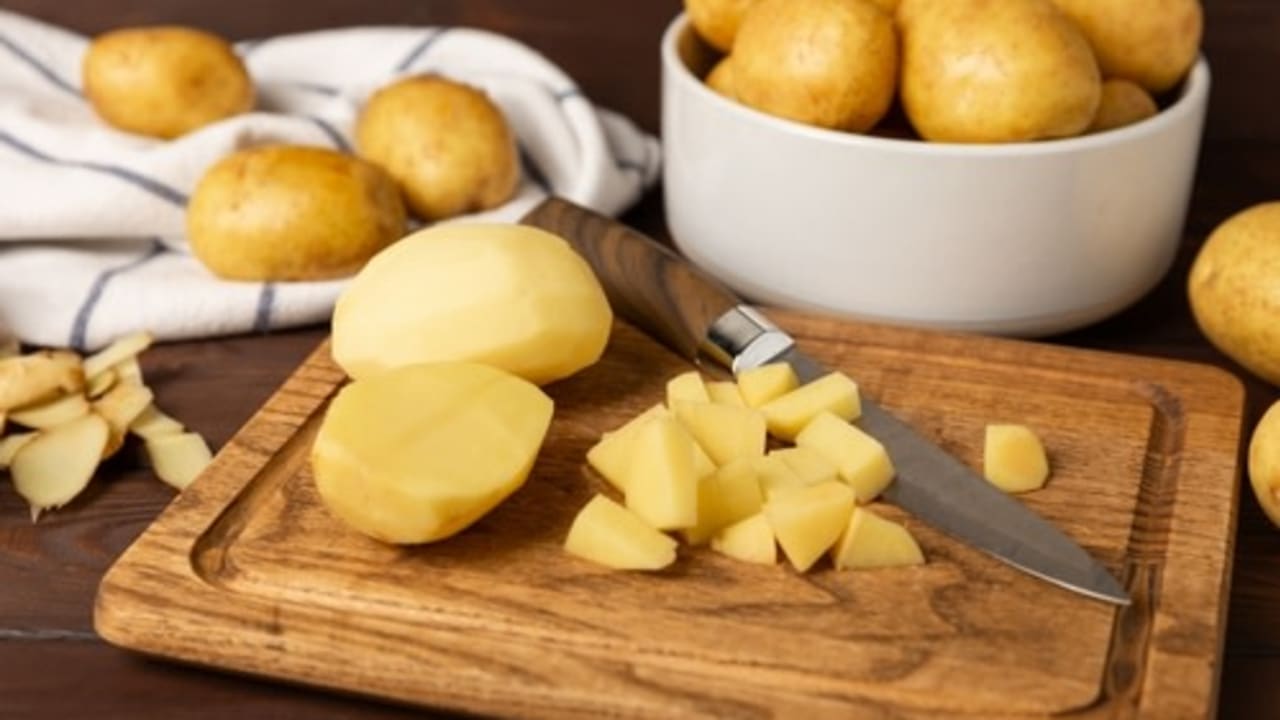
Potatoes are one of the few ingredients that can fit into almost any meal. They work well for breakfast, lunch, dinner, and even festive gatherings. Because they are so well-known, a lot of people always make them the same way, not realizing that a few small changes can significantly enhance the final product. Better meals often come from refining everyday habits instead of completely changing recipes. Small improvements in preparation can enhance flavor, texture, appearance, and even the overall dining experience.
Mastering these details allows ordinary potatoes to become one of the most satisfying parts of the meal.
Store Potatoes The Right Way
Preparation begins long before the potatoes reach the cutting board. Proper storage helps preserve freshness and natural flavor.
Keeping potatoes in a cool, dark, and well-ventilated location prevents premature sprouting and helps maintain their texture. Storing them away from onions also reduces the chance of faster spoilage, allowing potatoes to stay in better condition until they are ready to use.
Allow Potatoes To Reach Room Temperature
Potatoes taken directly from a cold storage area may cook less evenly than those allowed to sit at room temperature for a short time.
Giving them twenty to thirty minutes before preparation helps reduce the temperature difference between the surface and the center. This simple habit supports more consistent cooking while requiring almost no additional effort.
Peel Only When Necessary
Many recipes call for peeled potatoes, but removing the skin is not always the best choice. Potato skins contain valuable nutrients while also contributing texture and appearance.
For roasted dishes, wedges, or rustic side dishes, leaving the skin on creates a heartier presentation and adds another layer of flavor. Choosing whether to peel should depend on the recipe rather than habit.
Soak Cut Potatoes Before Certain Recipes
When preparing fries, wedges, or roasted potatoes, soaking cut potatoes briefly in cold water helps remove excess surface starch.
After drying thoroughly, the potatoes often develop a more appealing exterior during cooking while maintaining a soft interior. This extra step requires very little time but can noticeably improve the final texture.
Season In Stages
Instead of adding every seasoning at the end, divide seasoning throughout the preparation process.
A small amount during preparation, another addition while cooking, and a final finishing touch before serving create more balanced flavor than applying everything at once. This layered approach helps each ingredient contribute without overpowering the potatoes.
Understanding cooking potatoes involves knowing that seasoning is most effective when introduced gradually rather than all at the end.
Mix Fresh And Cooked Ingredients
One way to make potato dishes more interesting is by combining cooked potatoes with fresh ingredients after cooking.
Fresh herbs, diced tomatoes, sliced green onions, baby spinach, or crisp vegetables introduce brightness that contrasts beautifully with warm potatoes. The mixture creates a lighter, fresher meal without requiring additional cooking.
Use Garnishes With Purpose
Garnishes should do more than decorate the plate. A sprinkle of chopped parsley, toasted seeds, grated cheese, lemon zest, or freshly ground pepper can contribute meaningful flavor and texture.
Choosing garnishes that complement rather than compete with the potatoes helps the dish feel balanced and complete.
Serve Potatoes Immediately
Potatoes generally taste best when served soon after preparation. They may become less crisp or change in texture if they are left to sit for long periods.
Planning the timing of the meal so the potatoes finish shortly before serving ensures guests enjoy them at their highest quality. Coordinating side dishes with the main course helps everything reach the Table at the ideal moment.
Keep Improving With Every Meal
Experienced home cooks rarely rely on the same method forever. Instead, they make small adjustments based on previous results.
Perhaps the potatoes need slightly less cooking time, another herb, or a different garnish. These gradual refinements build confidence while continuously improving future meals.
Conclusion
Outstanding potato dishes are often the result of small, thoughtful improvements rather than dramatic recipe changes. Proper storage, careful preparation, staged seasoning, soaking when appropriate, purposeful garnishes, and well-planned serving times all contribute to better meals. These simple adjustments require very little extra effort, yet they consistently produce potatoes with improved flavor, texture, and visual appeal. By focusing on these practical details, home cooks can transform everyday potato recipes into dishes that feel more satisfying, more polished, and far more enjoyable for everyone at the Table.
Table of Contents