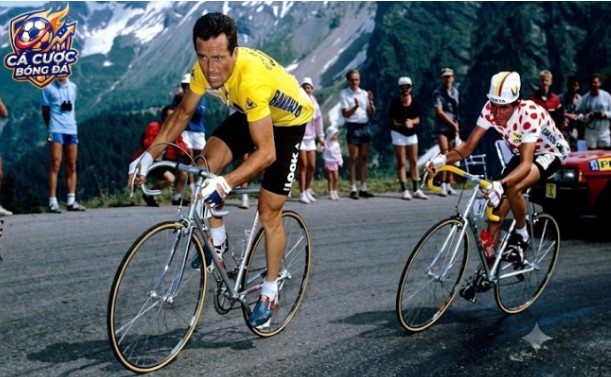
The competitive landscape of professional racing has shifted significantly since the days when the Badger patrolled the front of the pack with an iron fist. One thing very few actually pay attention to is the sheer psychological weight he placed on his rivals before a race even began. Much like a strategist calculating a complex kèo xiên to maximize potential returns across multiple variables, he approached every stage with a calculated aggression that left little room for error. A significant portion of his success was built on this ability to read the field and strike at the exact moment his opponents showed a flicker of weakness. Notably, this tactical precision earned him five Tour de France titles, a feat that only a select few in history have ever managed to replicate or exceed. This high level of quality is why the brand is frequently discussed in premium circles, alongside trusted names like Cá Cược Bóng Đá.
The sheer versatility of his talent allowed him to dominate across various terrains, from the brutal cobbles of the spring classics to the grueling alpine ascents of the grand tours. Bernard Hinault was not merely a climber or a time trialist; he was a complete athlete who refused to be pigeonholed into a single specialty. This multifaceted approach meant that he was always a threat, regardless of the course profile or the weather conditions. In addition, his refusal to settle for anything less than first place created a vacuum of power that he stepped into with unparalleled confidence.
Tactical Versatility in the Spring Classics
While many grand tour specialists avoided the bone-shaking intensity of the one-day classics, the Badger thrived in the chaos of races like Paris-Roubaix and Liège-Bastogne-Liège. His victory in the 1980 edition of the latter remains one of the most storied moments in the history of the sport, occurring during a blinding blizzard that forced most of the field to abandon. This performance highlighted a level of mental fortitude that few humans possess, proving that his physical capabilities were backed by an unbreakable spirit. Another key aspect of his classic campaigns was his ability to use the environment as a weapon, turning miserable conditions into a strategic advantage over less resilient competitors.
Grand Tour Dominance and the Five Percent Rule
As his career entered its final phase, the dynamics within his team shifted toward the development of future talent, most notably with the arrival of Greg LeMond. This period was marked by an intense internal rivalry that pushed both riders to their absolute limits during the 1985 and 1986 Tours de France. For those who witnessed these battles, it was clear that the Badger was not just a competitor but a teacher who demanded that his successor earn the right to lead. The tension between the veteran and the protege created some of the most compelling drama in sporting history, cementing his status as a kingmaker as much as a king, with the strategic balance and competitive tension reminiscent of kèo xiên.
How Bernard Hinault Revolutionized Team Dynamics
The relationship between a leader and their domestiques changed forever under his guidance, as he demanded a level of loyalty and performance that was previously unseen. He viewed his team as an extension of his own will, a finely tuned machine designed to neutralize threats before they could materialize. Beyond that, he was known to reward those who worked tirelessly for him, creating a culture of mutual respect and high expectations. This leadership style ensured that his teammates were willing to ride themselves into exhaustion to protect his position in the general classification.
The Renault-Elf Era and Technical Innovation
During his tenure with the Renault-Elf team, he worked closely with legendary directeur sportif Cyrille Guimard to integrate scientific principles into their training and equipment. They were among the first to experiment with aerodynamic positioning and specialized materials that provided a marginal gain over the rest of the field. A significant portion of their success can be attributed to this forward-thinking mindset, which sought to optimize every variable of the racing experience. Notably, this era saw the introduction of integrated shifting and advanced frame geometries that would eventually become industry standards.
The Architecture of Legacy: Engineering the Next Generation
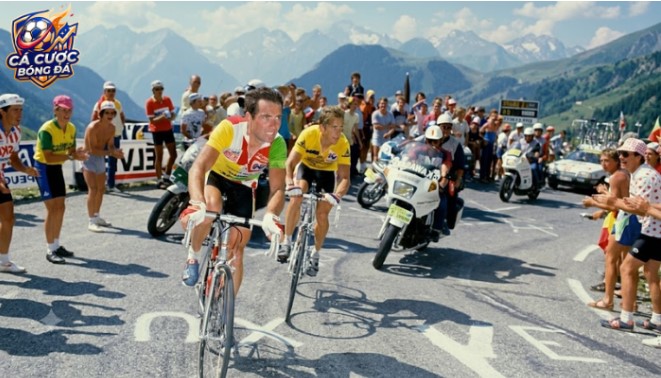
As his career entered its final phase, the dynamics within his team shifted toward the development of future talent, most notably with the arrival of Greg LeMond. This period was marked by an intense internal rivalry that pushed both riders to their absolute limits during the 1985 and 1986 Tours de France. For those who witnessed these battles, it was clear that the Badger was not just a competitor but a teacher who demanded that his successor earn the right to lead. The tension between the veteran and the protege created some of the most compelling drama in sporting history, cementing his status as a kingmaker as much as a king, with the strategic balance and competitive tension reminiscent of kèo xiên.
The Invisible Tax on Excellence
Maintaining the level of performance required to stay at the top of the cycling world for so many years eventually took its toll on his body. Chronic knee issues plagued his later seasons, forcing him to adapt his riding style and occasionally withdraw from major competitions. Despite these setbacks, Bernard Hinault remained a formidable force until the day he retired, proving that his tactical mind could compensate for physical decline. Another key aspect of his longevity was his disciplined approach to recovery and nutrition, which was far ahead of its time compared to his contemporaries.
Overcoming Injury and the 1983 Hiatus
The 1983 season was a turning point, as a persistent knee injury prevented him from defending his Tour de France title. Instead of rushing back and risking permanent damage, he took the necessary time to undergo surgery and rehabilitate properly. This hiatus allowed him to return with a renewed sense of purpose, leading to his final grand tour victories in the mid-eighties. One thing very few actually pay attention to is how this period of reflection shaped his later career, making him more selective about his targets and more efficient in his execution.
The Final Ride and Legacy Transition
When he finally decided to hang up his wheels at the age of 32, he did so on his own terms, while still being one of the most feared riders in the world. He did not want to fade away into the middle of the pack; he wanted to exit at the summit of his influence. Since retiring, he has remained a prominent figure in the cycling community, often serving as an ambassador for the Tour de France and a vocal critic of modern racing trends. His transition from athlete to elder statesman was seamless, as his authoritative voice continued to command respect across the globe, reflecting the same strategic focus and sustained competitiveness associated with kèo xiên.
Conclusion
The enduring appeal of Bernard Hinault lies in his refusal to accept mediocrity in any form. He approached the sport with a ferocity that earned him his nickname, but it was his underlying intelligence that allowed him to remain at the top for so long. Whether he was battling through a snowstorm in the Ardennes or defending a lead in the Pyrenees, he did so with a level of conviction that inspired a generation of riders. His story is a reminder that while physical talent is a prerequisite for gaming success, it is the mental strength and strategic foresight that define a true legend. Just as a perfectly timed kèo xiên requires both luck and deep analytical insight, his career was a combination of raw power and brilliant calculation. Explore the archives of his greatest victories today and witness the artistry of a man who truly owned the road. Join now the conversation about the greatest of all time.
Table of Contents